

Introduction
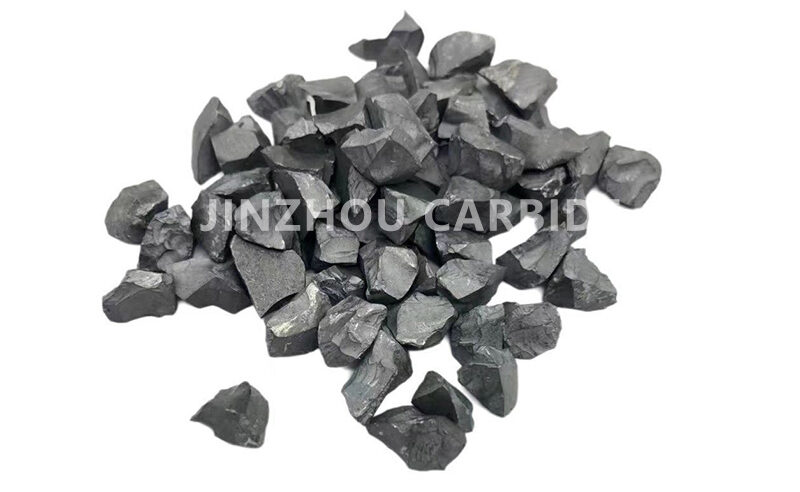
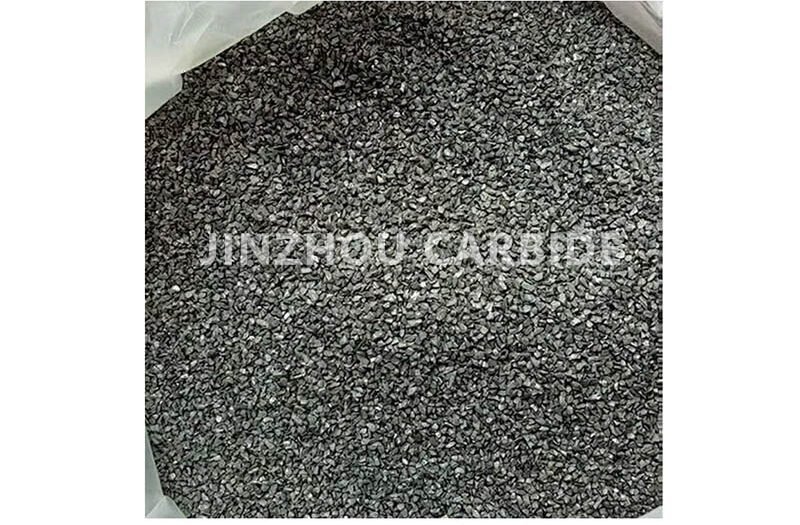
1. Select Tungsten Carbide Composite Rod According to Tungsten Carbide Grit Size
Fine Grit: 1.6–3.2mm (1/16”×1/8”)
Small carbide particles form dense, smooth hardfacing layers, ideal for components suffering fine powder abrasion. Widely used on cement mixer blades and sugar mill rollers, which wear slowly from fine cement slurry or sugar grain friction with minimal heavy impact.
Medium-Fine Grit: 3.2–4.8mm (3/16”×1/8”)
Balanced wear resistance with moderate toughness, perfect for agricultural disc blades and small spiral conveyor screws under medium abrasive load. It avoids excessive cost from over-specification while extending part service life effectively.
Medium Grit: 4.8–6.4mm (1/4”×3/16”)
Universal all-round grade, the most popular option for small excavator bucket teeth and geological exploration downhole tools. It balances abrasion resistance and shock tolerance for mixed wear working conditions.
Medium-Coarse Grit: 6.4–8.0mm (5/16”×1/4”)
Enhanced impact resistance against coarse rock abrasion, designed for standard mining bucket teeth and medium crusher rolls exposed to periodic heavy collision with stone materials.
Coarse Grit: 8.0–9.5mm (3/8”×5/16”)
Large carbide particles excel at resisting severe impact and rough abrasion, applied on heavy-duty mining crushing rollers and bulk material processing wear parts.
- Extra-Coarse Grit: 9.5–12.7mm (1/2”×3/8”)
Max anti-shock performance for ultra-heavy impact working scenarios, commonly adopted on oversized rock-crushing components under extreme load.
2. Choose Rod Dimension Based on Repair Area & Operation Scenarios
Φ12mm (280mm & 350mm short rods)
Slender, lightweight rods for partial spot repair and narrow hardfacing gaps. Great for tiny oilfield fishing tools, small tillage plow points and local worn areas on mini conveyor screws. Easy handheld operation during on-site field maintenance with oxy-acetylene equipment.
- Φ16mm & Φ22mm (450mm long rods)
Thick, long rods for large-area continuous hardfacing on big components such as large crusher rolls, heavy excavator bucket teeth and oversized cement mixing blades. Bigger diameter improves welding deposition speed and cuts total field working hours significantly.
3. Quick Reference Matching Table for Fast Selection
| Working Condition | Recommended Grit Range | Preferred Rod Size | Typical Workpiece |
|---|---|---|---|
| Fine mild abrasion, low impact | 1.6~4.8mm | Φ12×280/350mm | Mixer blades, sugar mill rollers |
| Medium abrasion, occasional impact | 4.8~6.4mm | Φ12×350mm / Φ16×450mm | Small bucket teeth, farm disc blades |
| Heavy abrasion + regular impact | 6.4~9.5mm | Φ16×450mm | Standard mining teeth, medium crusher rolls |
| Extreme impact & coarse wear | 9.5~12.7mm | Φ22×450mm | Heavy crushing industrial rollers |
4. Four Common Rod Selection Mistakes to Avoid
- Using ultra-fine grit rod for high-impact mining parts: Hardfacing layer falls off quickly under rock shock and leads to repeated repair.
- Applying extra-coarse grit on light-wear mixer blades: Unnecessary high material cost without obvious service life improvement.
- Welding small precision parts with Φ22 thick rods: Excessive heat input causes base metal deformation and substrate cracking.
- Repairing large crusher rolls with short Φ12 thin rods: Slow welding speed pushes up labor cost and project cycle.
5. Frequently Asked Questions
No. Coarse grit boosts impact resistance but wastes cost on low-impact fine-abrasion parts. Matching grit with actual working load is the core of cost-effective hardfacing.
Not recommended. Small-diameter rods fit partial touch-up, while thick long rods are made for bulk overlay. Mixed-size stock saves long-term maintenance expense.
Medium to medium-fine grit paired with Φ12 series rods is the mainstream choice for most downhole oilfield component hardfacing.
We support non-standard customization for unique working conditions beyond regular specs.
Contact Us:
- Email: sales@zzjzcarbide.com
- Whatsapp: +86-136-4733-0022