


Carbide Grinding Balls for Industrial Milling Applications
Tungsten Carbide Grinding Balls Manufacturer & Supplier
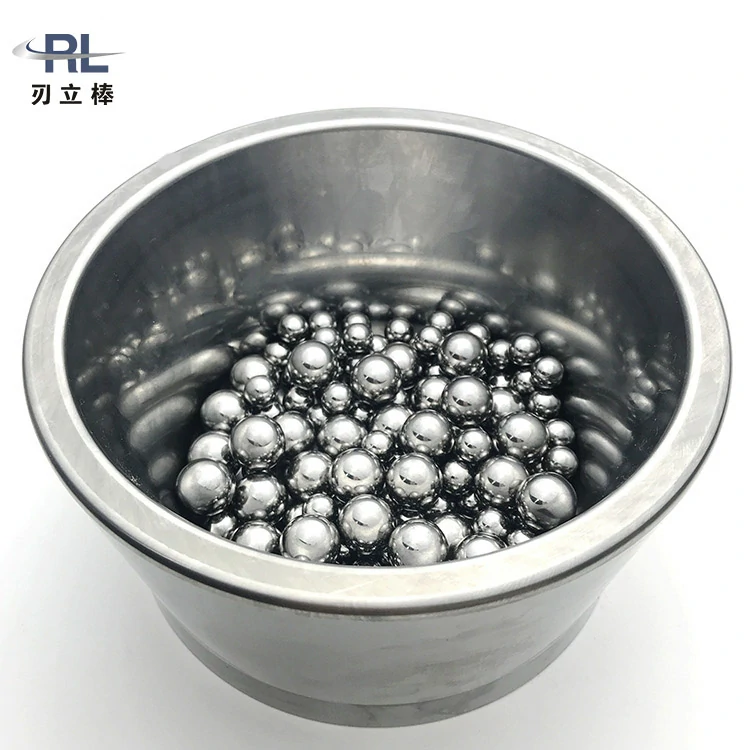
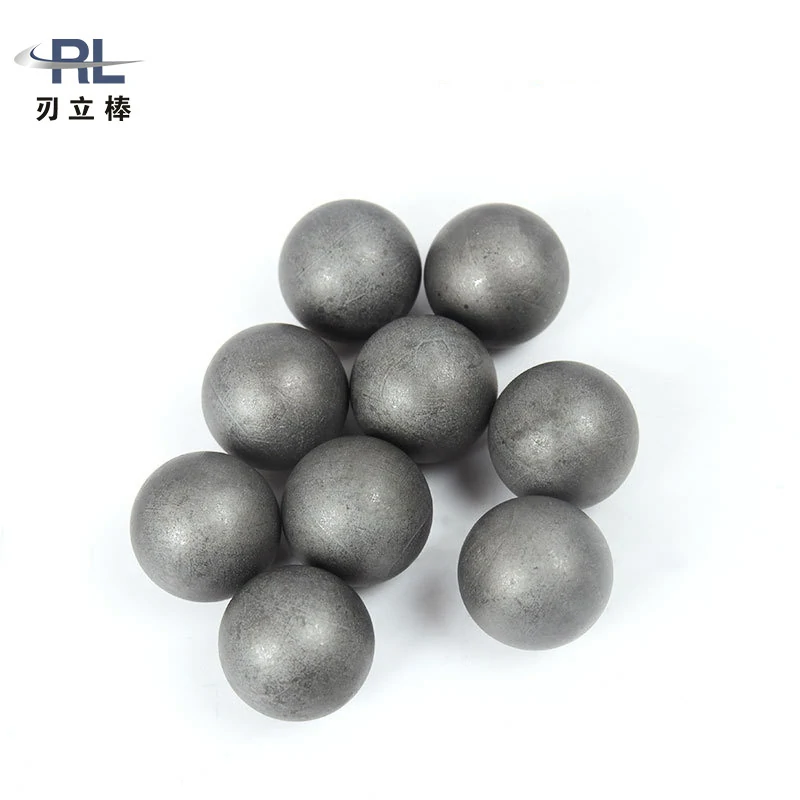
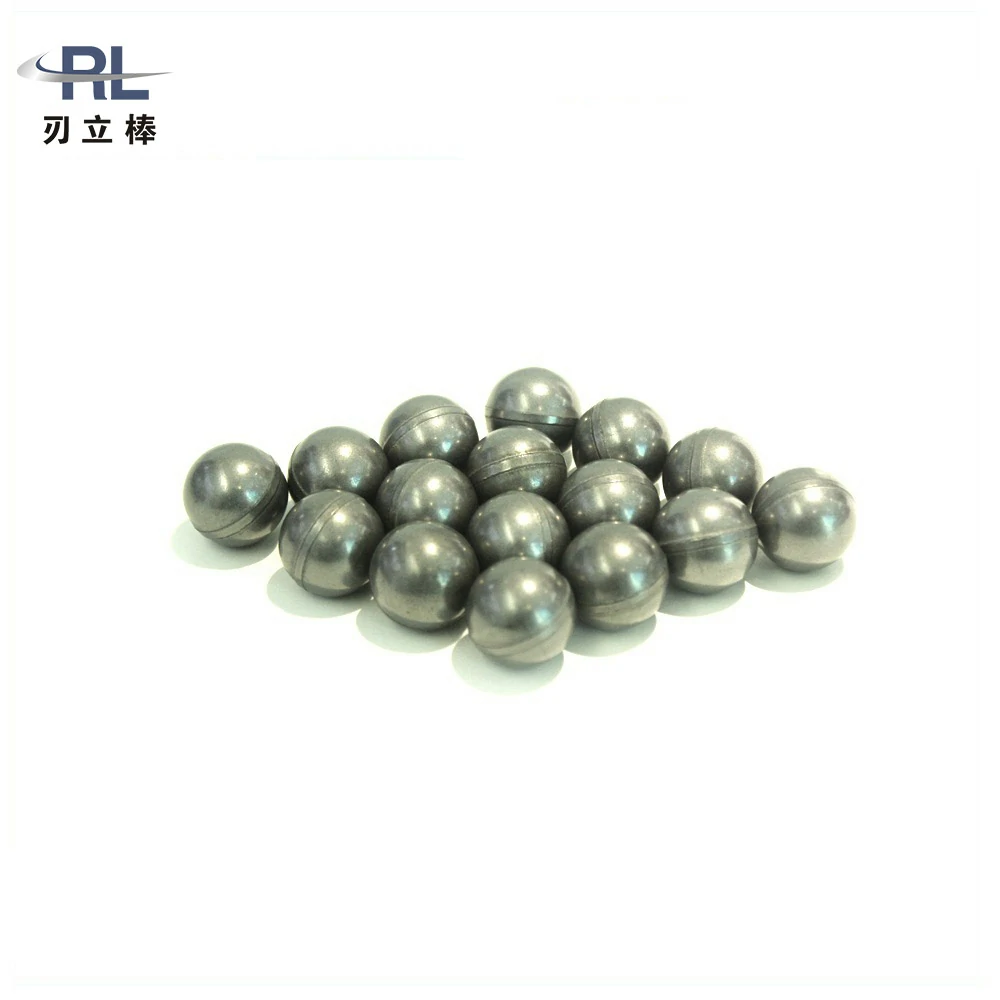
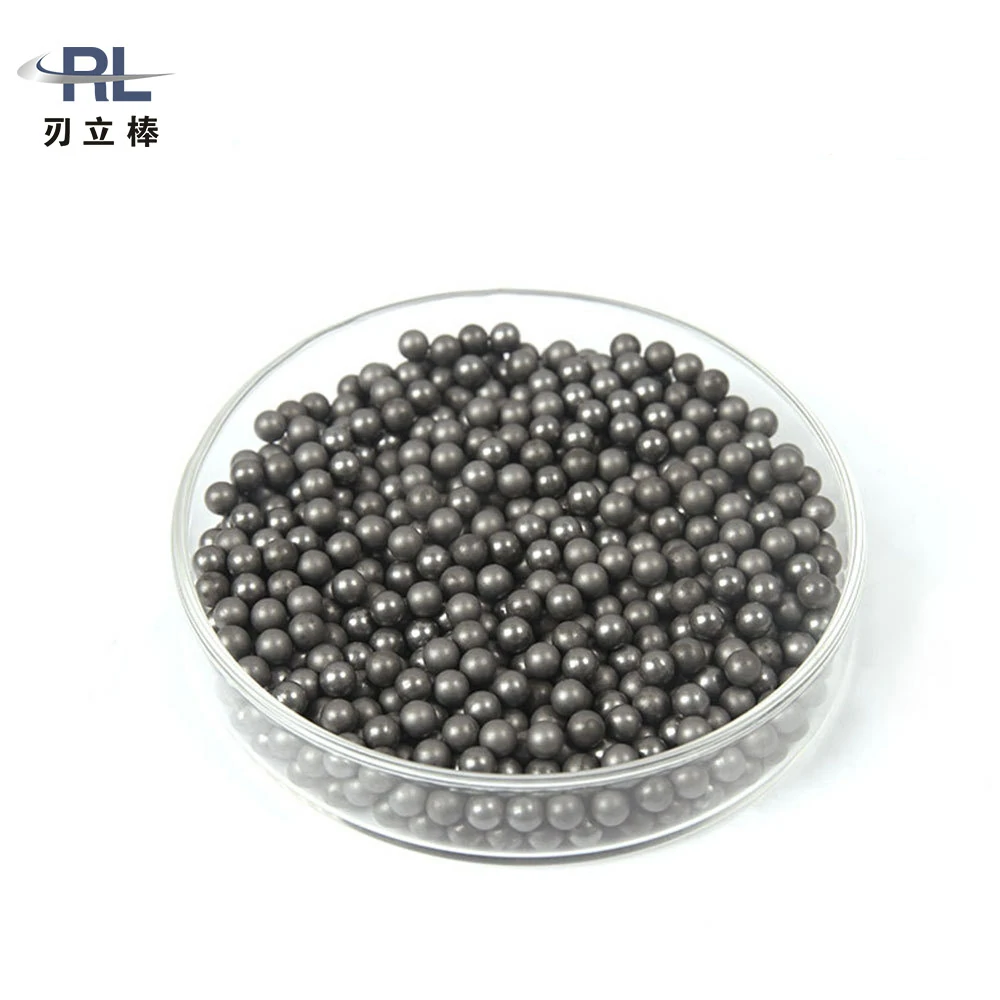
Jinzhou Carbide supplies carbide grinding balls for industrial milling, powder processing and material grinding applications. Made from cemented carbide, these grinding balls are designed for applications requiring high hardness, excellent wear resistance and reliable performance during repeated grinding operations.
Tungsten carbide grinding balls are widely used as grinding media in ball mills, planetary ball mills and other milling equipment. Their high density and wear resistance make them suitable for processing hard materials and applications where grinding efficiency and media durability are important.
Whether you need standard carbide grinding balls or customized products according to your technical requirements, Jinzhou Carbide can discuss suitable solutions based on ball diameter, material grade, quantity and application conditions.
Contact Jinzhou Carbide for carbide grinding ball specifications and customized quotations.
Carbide Grinding Ball Specifications
Grinding ball specifications should be selected according to the milling equipment and material processing requirements.
Important parameters include:
| Specification | Description |
|---|---|
| Material | Cemented carbide / tungsten carbide |
| Shape | Spherical |
| Diameter | Selected according to application requirements |
| Material Grade | To be confirmed according to grinding conditions |
| Surface Condition | Based on product and application requirements |
| Dimensional Tolerance | Confirmed according to technical specifications |
| Quantity | Based on customer order requirements |
| Application | Milling, grinding, powder processing and material preparation |
Carbide Grinding Balls vs. Other Grinding Media
Different grinding media materials have different properties and application advantages.
| Grinding Media | Main Characteristics | Typical Considerations |
|---|---|---|
| Tungsten Carbide | High hardness, high density and excellent wear resistance | Suitable for selected demanding milling applications |
| Stainless Steel | Good mechanical strength and corrosion resistance depending on grade | Metal contamination may need consideration |
| Zirconia | High hardness and good wear resistance | Often selected when metal contamination needs to be minimized |
| Alumina Ceramic | Good chemical stability and wear resistance | Suitable for selected ceramic and powder processing applications |
| Carbon Steel | Economical and widely used | Wear and contamination requirements must be evaluated |
There is no single grinding media material suitable for every milling process.
When choosing carbide grinding balls, customers should consider grinding efficiency, wear rate, material contamination, equipment compatibility and total operating cost.
Technical specifications
Carbide Grinding Balls

| API Type | Size | OD | |
| V11-106 | 5/8″ | Ø15.88 | +0.89 |
| +0.64 | |||
| V11-125 | 3/4″ | Ø19.05 | +1.02 |
| +0.76 | |||
| V11-150 | 15/16″ | Ø23.81 | +1.02 |
| +0.76 | |||
| V11-175 | 1-1/8″ | Ø28.58 | +1.14 |
| +0.76 | |||
| V11-200 | 1-1/4″ | Ø31.75 | +1.52 |
| +1.02 | |||
| V11-225 | 1-3/8″ | Ø34.93 | +1.52 |
| +1.02 | |||
| V11-250 | 1-11/16″ | Ø42.86 | +1.52 |
| +1.02 | |||
| V11-375 | 2-1/4″ | Ø57.15 | +1.78 |
| +1.27 | |||
Frequently Asked Questions
Q1: What are carbide grinding balls used for?
Carbide grinding balls are used as grinding media in milling and material processing applications. Typical industries include powder metallurgy, cemented carbide production, mining, ceramics and laboratory material processing.
Q2: Are tungsten carbide grinding balls suitable for ball mills?
Yes. Tungsten carbide grinding balls can be used in compatible ball milling systems. The appropriate ball diameter, material grade and loading conditions should be selected according to the equipment and grinding requirements.
Q3: What are the advantages of tungsten carbide grinding balls?
Their main advantages include high hardness, excellent wear resistance and high density. These properties make them suitable for selected applications involving hard and abrasive materials.
Q4: How do I choose the right grinding ball diameter?
Ball diameter depends on the mill type, feed material particle size, required final particle size and operating conditions. Equipment specifications and application details can help determine a suitable size.
Q5: Are carbide grinding balls better than zirconia grinding balls?
They have different characteristics. Tungsten carbide offers high density and excellent wear resistance, while zirconia is often considered when metal contamination needs to be minimized. The appropriate choice depends on the material being processed and purity requirements.
Q6: Can I order customized carbide grinding balls?
Customized requirements can be discussed according to diameter, material grade, quantity and technical specifications, subject to manufacturing capability.
Q7: What information is needed for a quotation?
Please provide the required diameter, quantity, material grade if known, milling equipment type and application details. Drawings or sample specifications are also helpful.


Faq
They are spherical balls made of tungsten carbide, known for very high hardness and wear resistance.
They are commonly used in bearings, valves, pumps, ball mills, measuring instruments, and precision devices.
We offer various diameters and precision grades. Custom sizes can be produced according to your requirements.
No. We do not offer free samples. Samples can be provided at cost, and shipping fees are paid by the customer.
Lead time is usually 7–24 days depending on the order quantity. MOQ varies by size and specification. Please contact us for details.


